





Component-Based Modelling Framework
Models are constructed using reusable physical components that represent real-world subsystems, supporting transparency and modularity.
Innovate confidently with world-class systems simulation
PRODUCT OVERVIEW
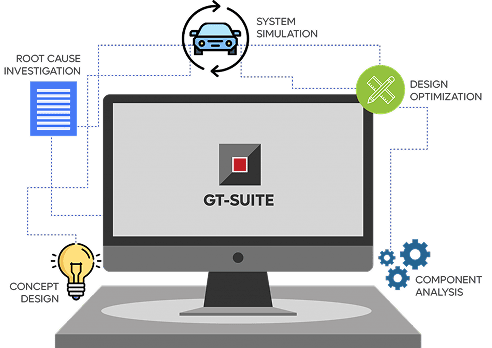
GT-SUITE is the industry-leading simulation tool with capabilities and libraries aimed at a wide variety of applications and industries. It offers engineers functionalities ranging from fast concept design to detailed system or sub-system/component analyses, design optimization, and root cause investigation. GT-SUITE also incorporates machine learning and AI-driven tools through GT-Intelligence Studio, enabling engineers to accelerate model development, generate data-driven insights, and streamline simulation workflows alongside traditional physics-based analysis.
SYSTEM LEVEL MULTIPHYSICS
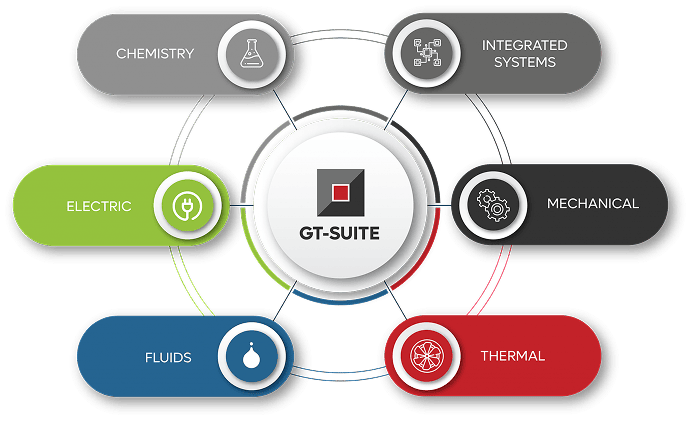
The foundation of GT-SUITE is a versatile multi-physics platform for constructing models of general systems based on many underlying fundamental libraries:
MULTISCALE
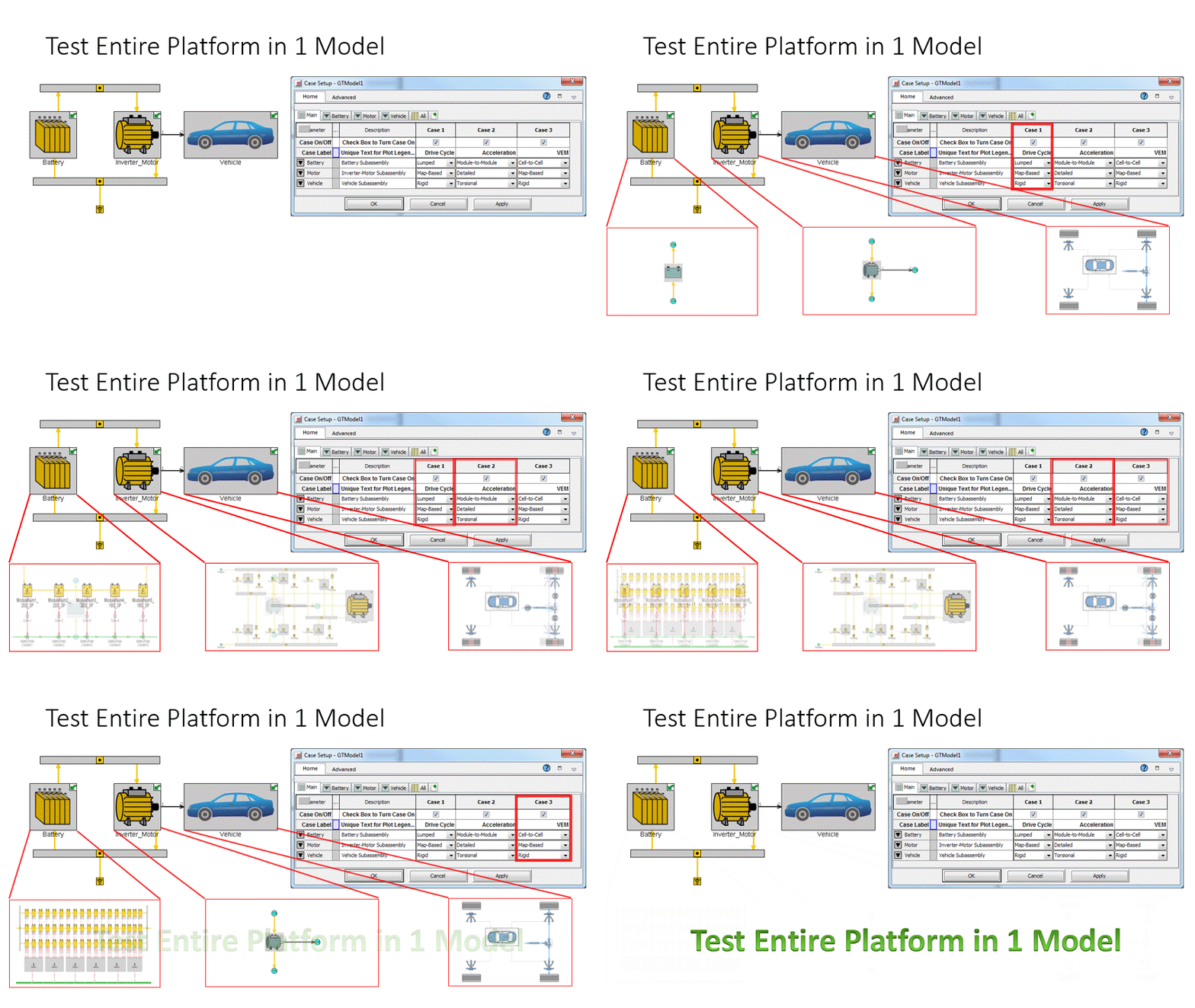
GT-SUITE offers model resolution ranging from 0D to 3D calculations. Within a single model environment, a user can adjust the fidelity for any given task. An example could be using a lumped battery model for drive cycle analysis or a cell level model with 3D FE Thermal discretization in order to identify local hot spots during an acceleration event.
From model creation and troubleshooting to code development and engineering knowledge retrieval, GT Intelligence Studio combines physics-based simulation with intelligent AI assistance to help engineers work faster, learn quicker, and make better decisions.
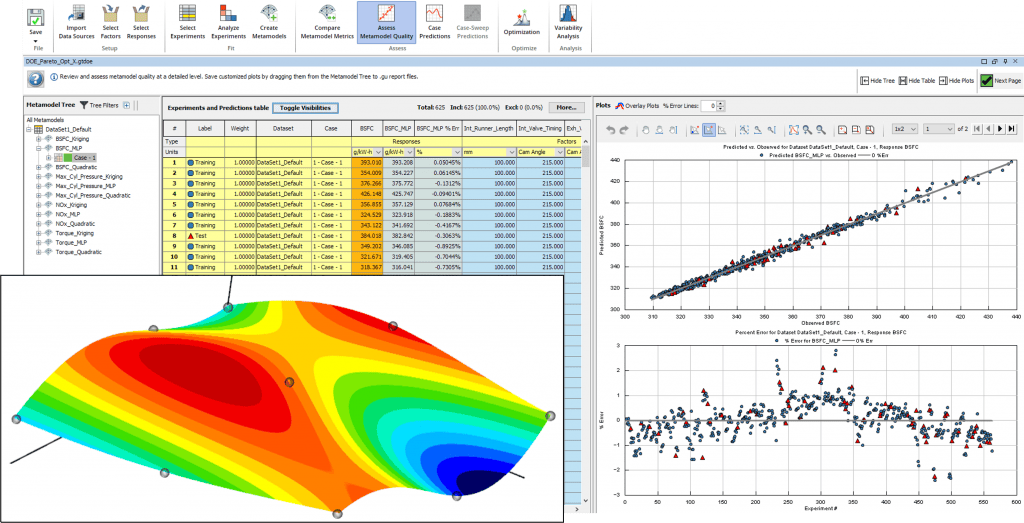
Scientific AI combines physics-based simulation and machine learning to help engineers solve complex problems faster and with greater confidence. GT’s Machine Learning Assistant and Design of Experiments (DoE) solutions accelerate simulations, improves predictive accuracy, and uncover insights from simulation and test data. Learn more at our Scientific AI page.
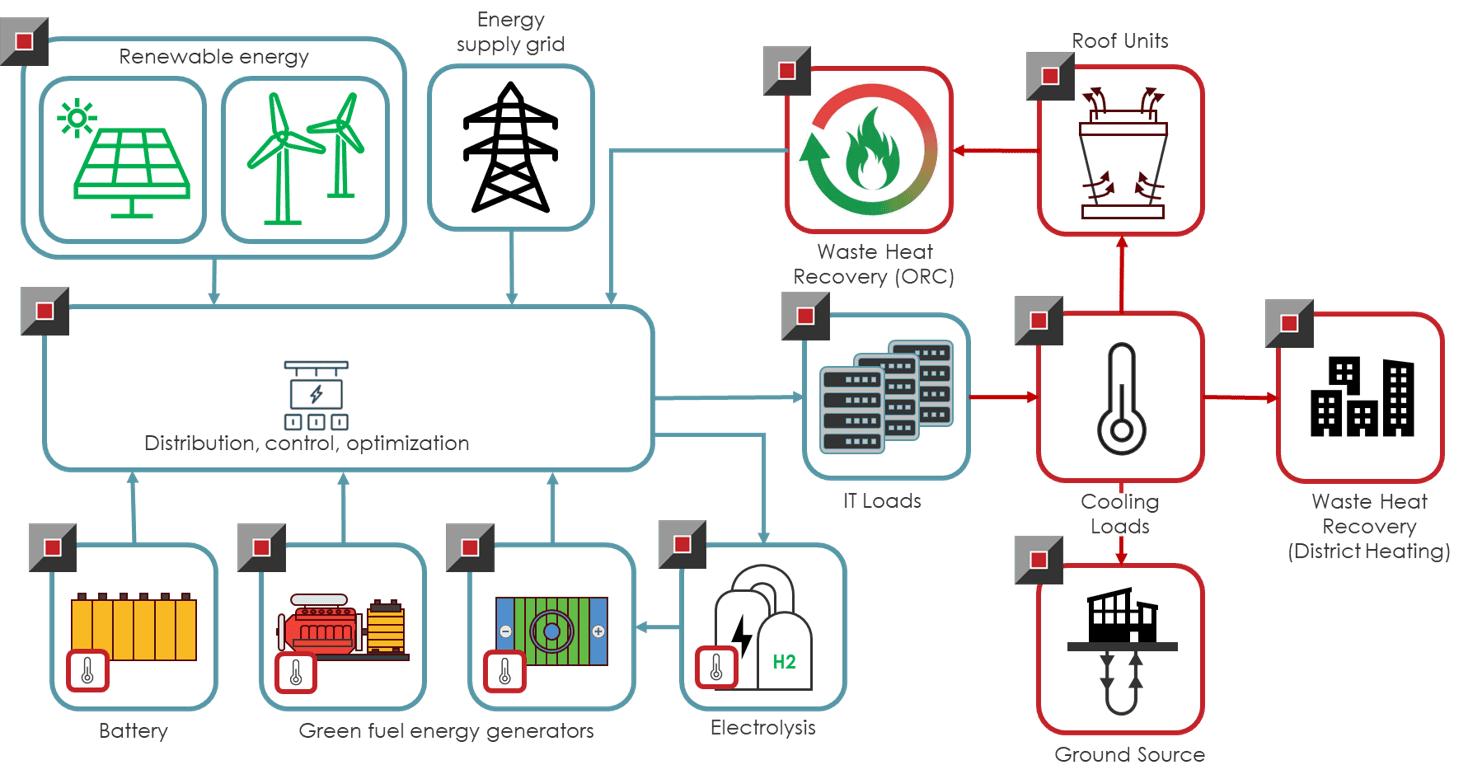
Flexibly build, collaborate and deploy models to a wide variety of users with different experience levels. GT-SUITE is designed to support small and large teams, offering a modular-by-design framework to allow easy parameter, component and system swapping.
Publish models to GT-Play to allow non-experts to configure and run GT simulations via a web interface, allowing your organization to fully leverage the value of GT-SUITE.
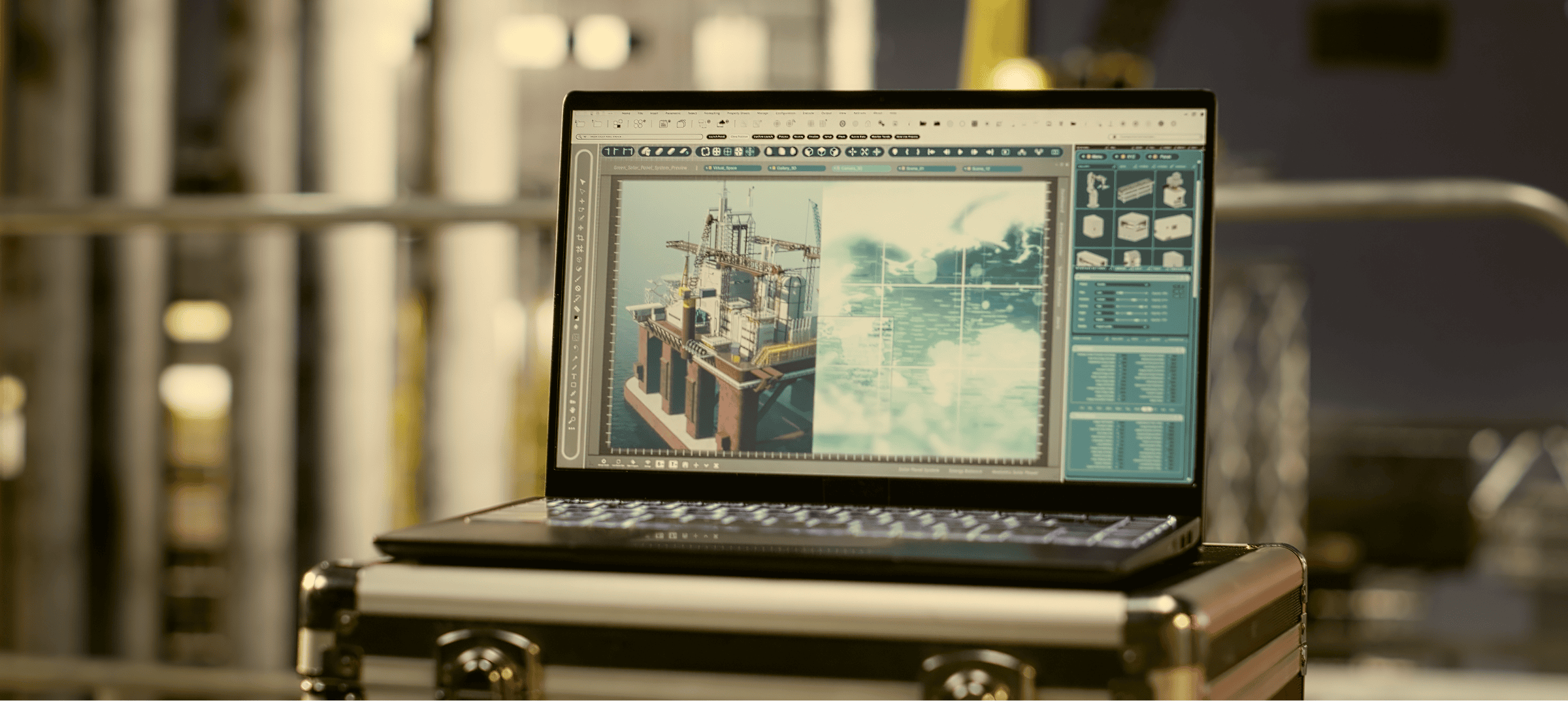
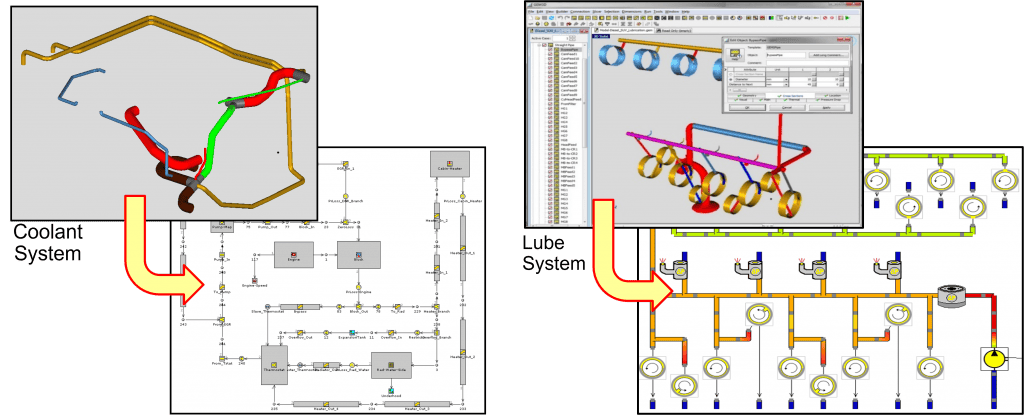
GT-SUITE enables CAD-based modeling and simulation that boosts productivity, improves data management, and promotes digital thread continuity.
The GEM3D pre-processor parametrically generates CAD geometry or imports it from various file formats, preparing it for simulation across flow systems (e.g. piping, heat exchangers, under hood, cabin), multi-body mechanical systems, and electrochemical systems like fuel cells and batteries.
It also generates or imports thermal and mechanical finite element meshes for detailed 3D thermal and flexible body dynamics modeling.
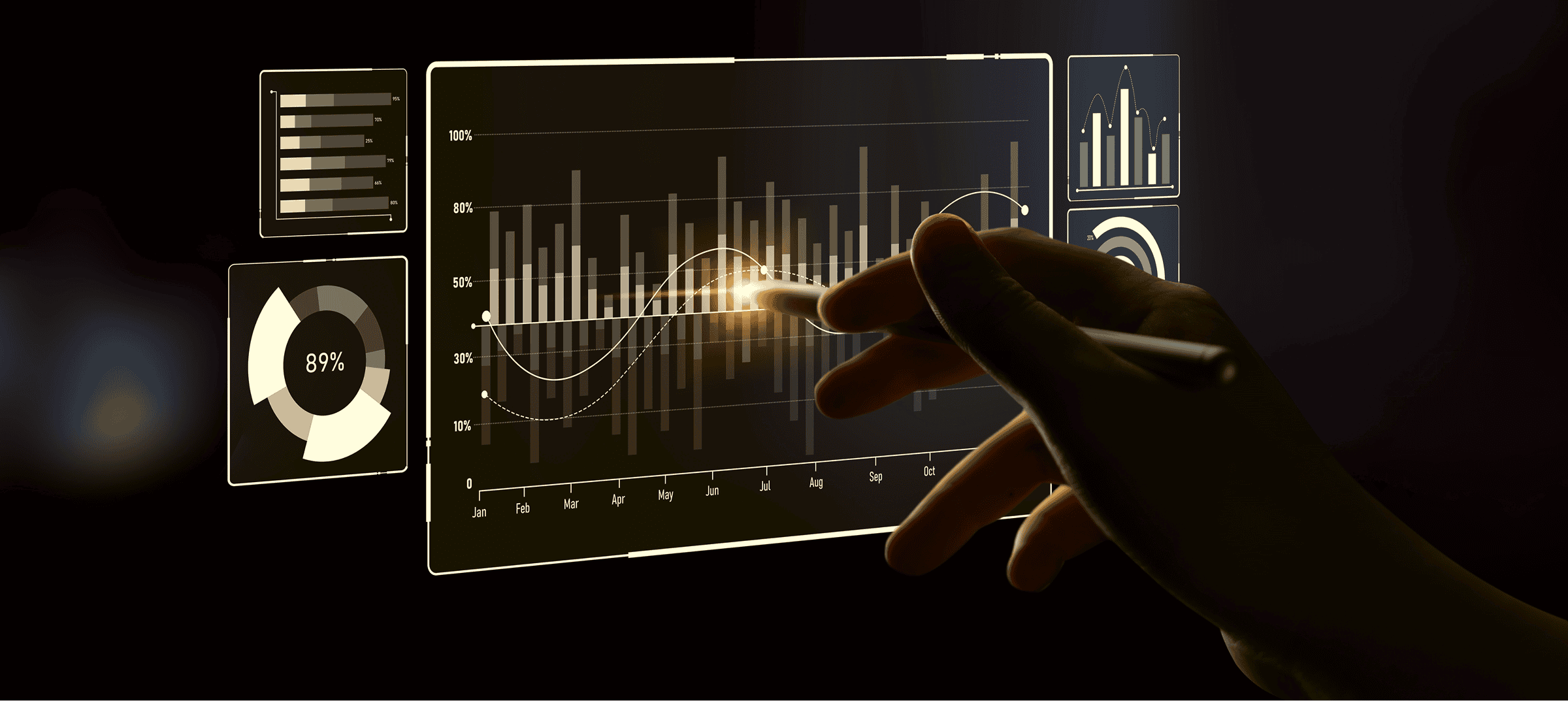
GT-SUITE enables powerful post processing, with customized analyses, reports, and visualization aids tailored to system level Multiphysics & multiscale analysis.
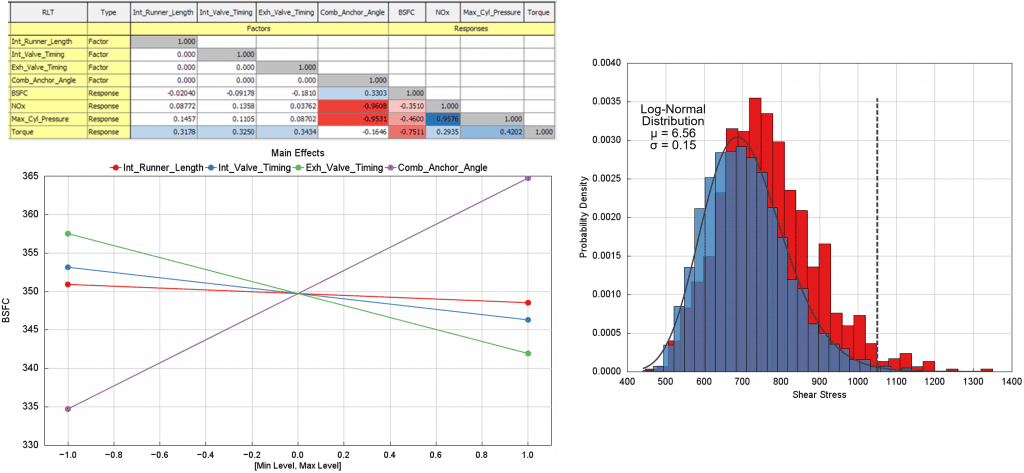
Advanced data analytics allow analysis and factor screening approaches, including main effects plots, correlation coefficients, elementary effects, Sobol, and Monte Carlo filtering.
These methods identify and rank the most influential inputs on any system, while flagging negligible ones to simplify optimization and machine learning tasks. Monte Carlo Variability Analysis applies statistical distributions to model inputs to predict output variability and assess the risk of low-probability outcomes.
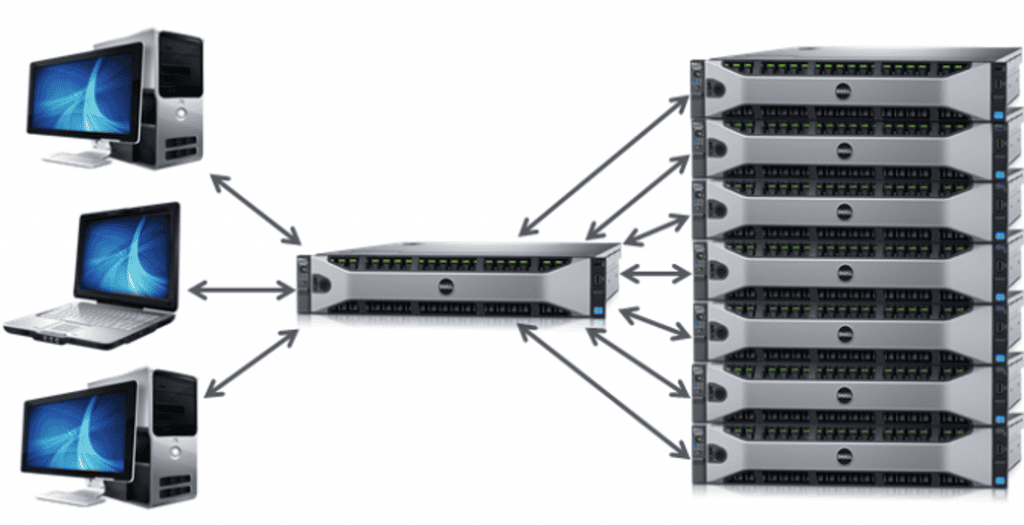
Quickly solve massive design and optimization studies to reach engineering outcomes sooner by leveraging your on-prem or cloud-based computing resources with GT’s Distributed Computing technology.
This fast, scalable and secure platform is available to be deployed by our customers using on-prem or cloud resources.
Additionally, it is available as a cloud Software-as-a-Service (SaaS) offering, managed by Gamma Technologies.
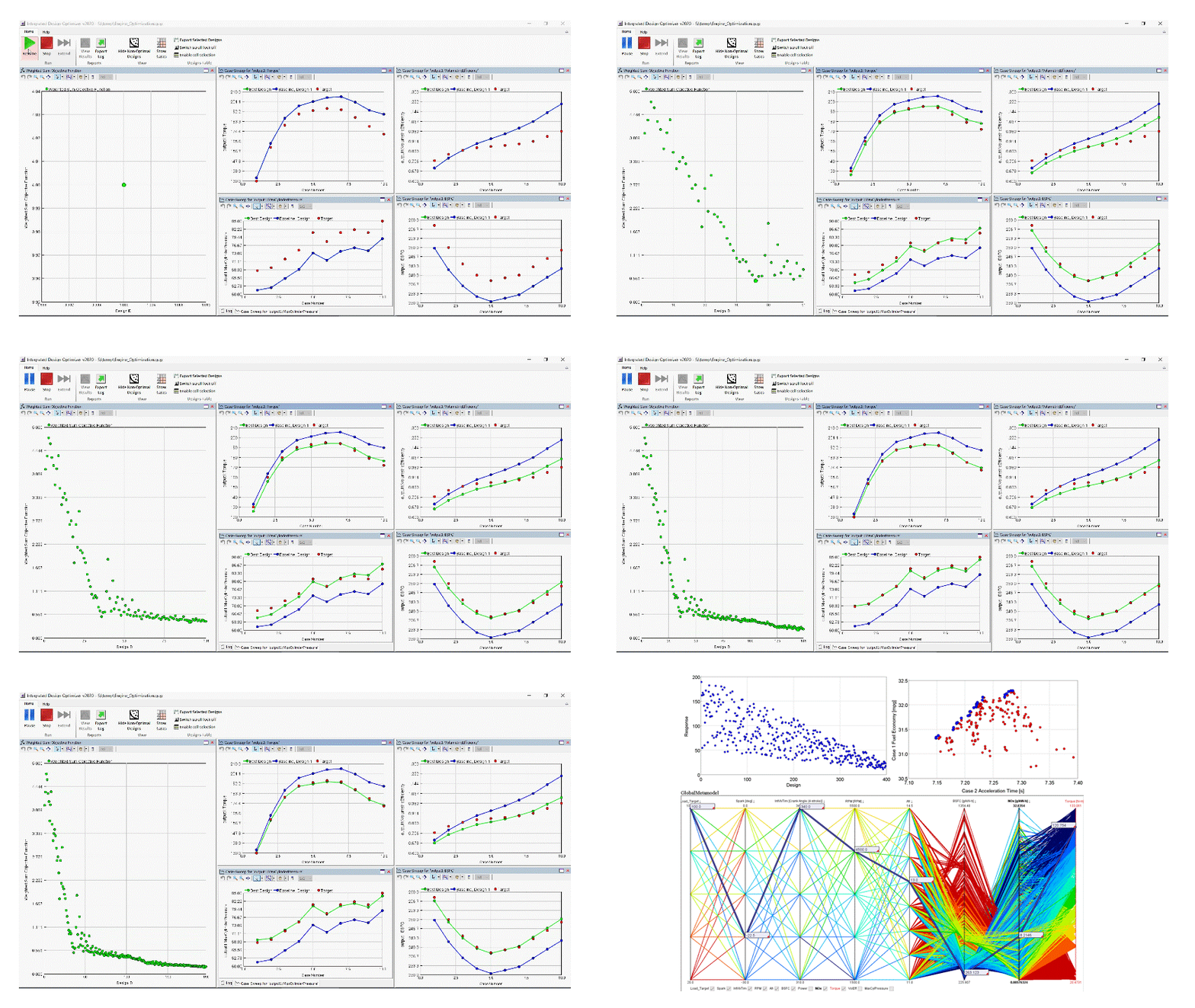
GT-SUITE’s built-in optimizer streamlines design optimization and model calibration with powerful, sophisticated search algorithms.
Uncover optimal designs across complex, multi-dimensional domains, and balance competing objectives using Pareto-based multi-objective optimization.
Parallel coordinates plots make it easy to visualize trends and relationships across your data.
Plus, distributed computing integration lets you run multiple iterations simultaneously, accelerating even the longest optimization job.
KEY FEATURES
Models are constructed using reusable physical components that represent real-world subsystems, supporting transparency and modularity.
Thermal, fluid, mechanical, and controls behaviors can be simulated within a unified system-level model.
Predefined libraries support rapid model development and customization across industries and applications.
GT-SUITE supports integrated system modeling that includes control strategies within the simulation environment.
The platform supports data import/export workflows to enable integration with external engineering tools and processes.
Built-in tools support parameter studies and performance analysis during system development.
GT's Intelligence Studio Suite offers AI capabilities from our AI.advisor chat feature to our AI.coder and AI.modeler for productivity and innovation improvements
GT-SUITE can be coupled with other simulation tools to combine system-level models with detailed 3D analyses, enabling multi-fidelity simulation workflows.
Automation capabilities and parametric study tools enable teams to set up repeatable simulation processes that align with product development milestones.